Essential Safety Checks for School Minibus Transport
The most essential safety check for school minibus transport is a holistic, three-pillar framework encompassing the driver, the vehicle, and the journey management protocol. Before any student boards, you must verify driver credentials, ensure the vehicle passes a rigorous mechanical and operational inspection, and confirm that a clear safety and emergency plan is in place.
For school trip coordinators, administrators, and teachers, organizing transport is a weighty responsibility. The safety of students is the non-negotiable priority. While cost and logistics are important, they should always come after a comprehensive safety assessment. This guide provides a detailed, actionable checklist to ensure every school minibus journey is as safe as possible, giving educators peace of mind and parents the confidence that their children are in secure hands.
Why a Rigorous Safety Protocol is Non-Negotiable
School transport isn’t just about getting from A to B. It involves vulnerable passengers in a group dynamic, often on unfamiliar routes, and under your duty of care. A proactive safety approach:
- Mitigates Risk: Identifies potential issues before they become accidents.
- Ensures Legal Compliance: Meets the standards set by the Department for Transport, Health and Safety Executive, and your own local authority.
- Builds Trust: Demonstrates to parents, governors, and the community that student welfare is paramount.
- Protects Staff: Provides clear procedures, reducing liability and stress for accompanying staff.
The Three-Pillar Safety Framework for School Minibus Hire
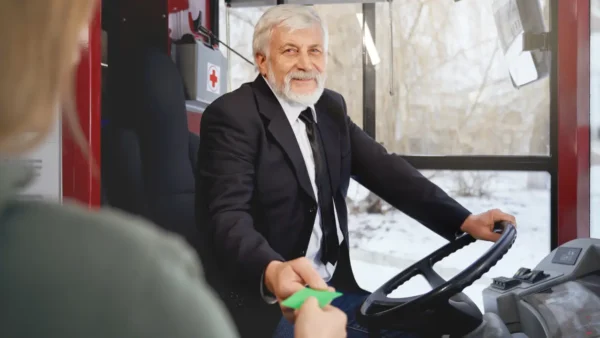
Pillar 1: The Driver – Your First and Most Important Safety Feature
A vehicle is only as safe as the person behind the wheel. Never assume credentials; always verify.
1. Valid Licence with Correct Entitlements:
- D1 Entitlement: For minibuses with 9-16 passenger seats, driven for hire or reward (which includes school trips where a charge is made), the driver must hold a full Category D1 entitlement on their licence. Many drivers only have a standard car (Category B) licence, which only permits driving a minibus under very specific, non-hire conditions.
- DVLA Check: A reputable coach hire company will provide evidence of this.
2. Enhanced DBS Certification:
- The driver should hold a current, enhanced Disclosure and Barring Service (DBS) certificate. This is crucial for any adult transporting children and young people.
3. Professional Competence (Driver CPC):
- For professional minibus drivers, a valid Driver Certificate of Professional Competence (Driver CPC) is a legal requirement, demonstrating ongoing training in safety, fuel efficiency, and passenger care.
4. Experience and References:
- Prefer companies that assign drivers with specific experience in school and college transport. They understand the unique dynamics of managing young passengers.
Pillar 2: The Vehicle – A Comprehensive Pre-Journey Inspection
This should be a physical walk-around check, not a paper exercise. Use a printed checklist on the day of travel.
Exterior Checks:
- Tyres: Tread depth must be legally above 1.6mm across the central ¾ of the tyre, but for safety, 3mm is advisable. Check for cuts, bulges, or uneven wear. Ensure pressures are correct.
- Lights and Indicators: All headlights, tail lights, brake lights, and indicators must be fully operational. Check for cracks in lenses.
- Windows and Mirrors: Clean, uncracked, and offering full visibility. All mirrors should be securely adjusted.
- Bodywork: Look for significant damage that could indicate poor maintenance or affect structural integrity.
- Fluid Leaks: Check the ground under the engine and fuel tank for any signs of oil, fuel, or coolant leaks.
Interior and Operational Checks:
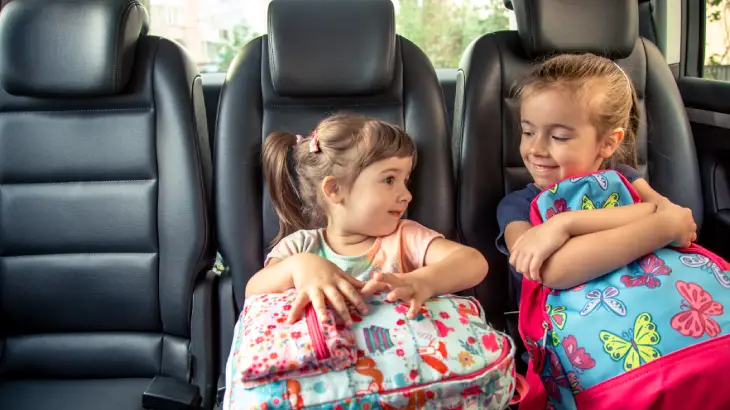
- Seatbelts: A non-negotiable check. Every passenger seat must have a functional, accessible three-point belt (lap and diagonal). Check for fraying, secure anchorage points, and that buckles latch and release properly.
- Seats: All must be securely fixed to the floor, with no excessive wobble.
- Emergency Exits: Clearly marked and fully operational. Do the emergency doors and roof hatches open smoothly? Are the hammers or break-glass tools present and accessible?
- First Aid Kit: A fully stocked, in-date kit must be on board and easily accessible.
- Fire Extinguisher: Present, securely mounted, and with a current inspection tag.
- Vehicle Documentation: Ensure the vehicle has a valid MOT certificate (for vehicles over 3 years old) and is taxed. Ask to see proof of this and its current insurance certificate.
Advanced Compliance (Ask Your Hire Company):
- PSVAR (Public Service Vehicles Accessibility Regulations): If your school hires regularly, you may need a vehicle compliant with accessibility standards, including a wheelchair lift and space.
- Tachograph: For certain journeys, a calibrated and operational tachograph (digital or analogue) is legally required to monitor driving hours and rest periods.
- Regular Maintenance Records: A professional company will have a documented, preventative maintenance schedule from a qualified garage.
Pillar 3: The Journey & Management Protocol
Safety extends beyond the mechanical. It’s about how the journey is managed.
Pre-Journey Briefing:
- Staff Roles: Assign a lead teacher responsible for liaising with the driver. Designate other staff to specific tasks (headcounts, first aid, student behaviour).
- Student Briefing: Before boarding, clearly explain rules: remain seated, use seatbelts at all times, follow instructions, and respect the vehicle.
- Seating Plan: Consider a pre-arranged seating plan to manage behaviour and simplify headcounts.
En-Route Safety:
- Headcounts: Conduct headcounts at every stop: before departure, after any break, and upon final arrival. Use a written list.
- Emergency Procedures: Ensure all staff know the location and operation of emergency exits, first aid kit, and fire extinguisher. Discuss with the driver what to do in case of a breakdown or accident.
- Driver Hours: Confirm the driver is within their legal driving hours and has taken adequate rest. A professional driver will manage this via their tachograph.
Post-Journey Feedback:
- Report any vehicle issues, driver concerns, or operational problems to the hire company immediately. This helps them maintain their standards and protects the next group.
Your Essential School Minibus Safety Checklist (Downloadable)
Use this on the day of travel:
Driver Verification:
- D1 Licence Entitlement confirmed
- Enhanced DBS check verified
- Driver CPC present (if required)
- Professional demeanor and clear communication
Vehicle Exterior:
- Tyre tread and condition good
- All lights and indicators working
- Windows/mirrors clean and intact
- No visible fluid leaks or major damage
Vehicle Interior & Safety Gear:
- ALL seatbelts present and functional
- All seats secure
- Emergency exits clear and operational
- First Aid Kit present and stocked
- Fire Extinguisher present and charged
- Valid MOT, Tax, and Insurance documents sighted
Journey Management:
- Pre-trip student/staff briefing completed
- Headcount system and list prepared
- Emergency procedures understood by staff
- Company emergency contact number saved in phone
Partnering with a Safety-First Hire Company
The simplest way to ensure every box is ticked is to choose a coach and minibus hire provider that embeds safety into their core service. Ask prospective companies direct questions:
- “Can you talk me through your driver vetting process?”
- “What is your vehicle maintenance schedule?”
- “Do you provide vehicles that are fully PSVAR compliant if needed?”
- “Can I see your Public Liability insurance certificate?”
A trustworthy company like TQC Coach Hire will welcome these questions, providing transparent answers and documentation, because your diligence reflects their own standards.
Conclusion
Essential safety checks for school minibus transport are not a one-time formality. They are a continuous culture of vigilance, from the initial booking through to the final headcount at the school gates. By implementing this three-pillar framework—scrutinising the driver, inspecting the vehicle, and managing the journey protocol—you transform risk management into a structured, reliable process.
Your role is to be the critical link, the verifier of standards. This proactive approach ensures educational trips remain the enriching, fun, and safe experiences they are meant to be.
Ready to book transport that puts safety first? At TQC Coach Hire, our fleet of modern minibuses and coaches is maintained to the highest standards, driven by fully vetted, experienced professionals. We provide all necessary documentation and are committed to transparent, compliant service for schools and colleges.